

Google’s New “Sponsored Results” Label
Did you notice something different at the top of your Google Search recently?https://6smarketers.com/blog/?e-filter-65c8a93-category=google-updates We too did! Google has started rolling out a new label called “Sponsored results”. This update replaces the familiar “Sponsored” or “Ad” tags that have long identified paid placements in search results.
This important Google update aims to make the difference between organic and paid results clearer for users. Also, sets the stage for a more unified ad experience across platforms.
For businesses, marketers, and SEOs, this change is a sign of Google’s en approach to transparency, user trust, and the way ads appear in search.
What Exactly Is Sponsored Results Change?
Until recently, Google Search displayed small “Ad” or “Sponsored” labels right next to paid results. Now, with this new update, Google standardized the format by introducing the “Sponsored results” tag more prominently above groups of ads.
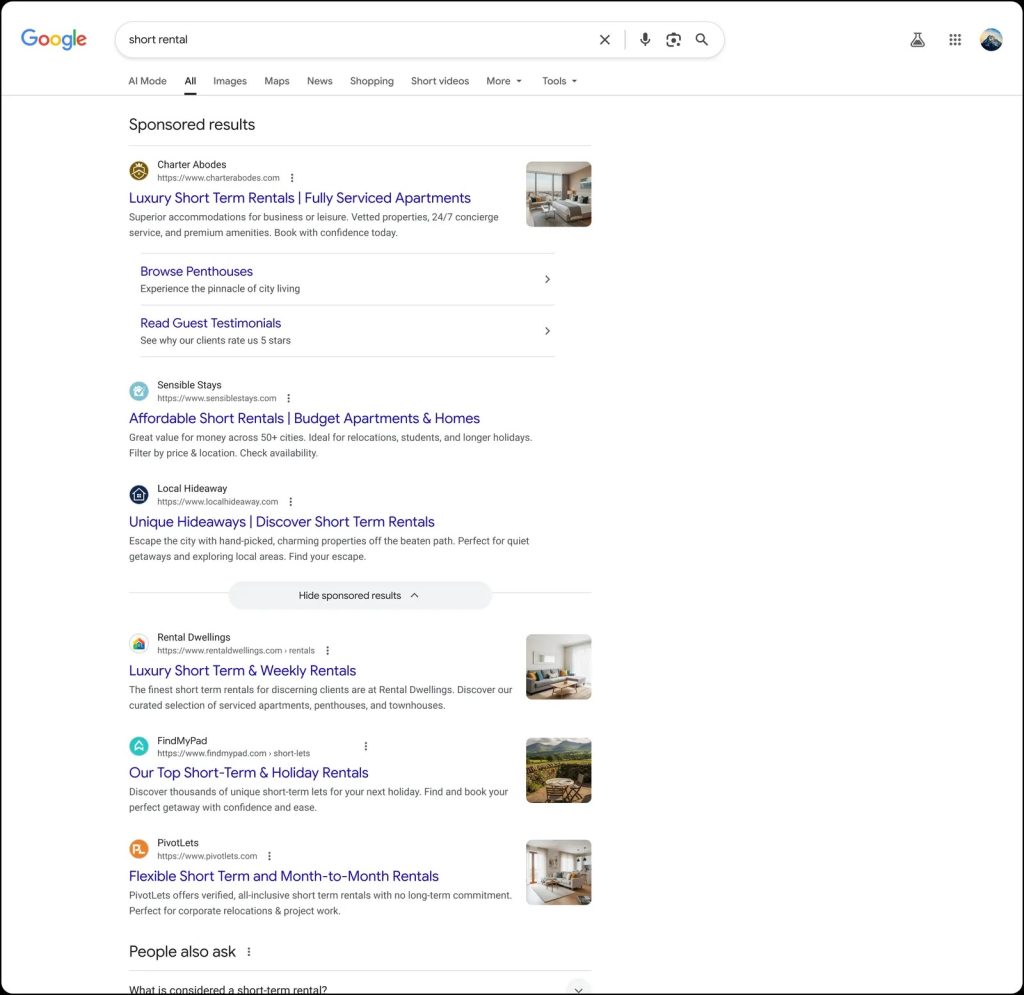
Instead of labeling each ad individually, Google is now grouping them under a single “Sponsored results” heading at the top (or sometimes bottom) of the page. This new approach makes it clearer that all listings under that header are paid placements. This is similar to how Google already handles sponsored carousels or shopping results.
Why Did Google Update the Sponsored Result Label
At its core, this move is about trust and usability. Over the period, as sponsored listings have become more integrated with organic ones, user feedback has revealed an increasing need for clearer visual differentiation.
Google’s new “Sponsored results” label aims to:
- Unified Label: A single “Sponsored results” heading applies to all paid links in a group.
- Improve Clarity: Users instantly know which sections of the page contain ads.
- Enhance User Experience: A collective layout gives a simpler and more engaging design.
- Align Across Platforms: Builds ad formats compatible across Google Search, Shopping, and Google Maps.
Implications for Advertisers, SEOs, and Organic Results
1. For Advertisers
This sponsored result label update impacts ad visibility and CTR (click-through rate). By consolidating all Google-sponsored search results under one section, users become more aware that they are clicking an ad. Based on audience perception, this could either enhance or slightly reduce engagement.
However, the cleaner presentation might also improve brand credibility. Especially when users understand they are engaging with trusted, transparent advertising.
Tip: Advertisers should closely monitor their Search Console and Google Ads performance data in the coming weeks to see if CTRs or impressions shift due to this layout change.
2. For SEOs and Organic Results
For SEOs, the introduction of a clearly defined sponsored results section may have mixed effects.
- Positive: Distinct separation can help organic results stand out once users scroll past the sponsored block.
- Negative: A visually dominant ad group at the top of the page could push organic listings further down, reducing above-the-fold visibility.
While SEO fundamentals remain the same, SERP real estate becomes even more complex. It strengthens why investing in content quality, EEAT signals (Expertise, Experience, Authoritativeness, Trustworthiness), and long-tail keywords is more important than ever.
Do you need help balancing SEO and paid search performance?
Connect with 6S Marketers. We help brands build strategies that align organic visibility with paid growth.
3. For the Overall Search Experience
Google’s change demonstrates how the line between organic and paid discovery continues to evolve. The new sponsored results label highlights transparency — something both users and regulators have been advocating for.
For marketers, it’s a reminder that success on Google isn’t about gaming algorithms. It is about earning trust through clarity, credibility, and genuine value.
Conclusion
Google’s move to a consolidated “Sponsored results” label may look small, but it alerts bigger trend. It prioritizes clarity and user perception in the age of AI-driven search.
To conclude, authenticity wins for running paid campaigns and building organic authority. The more clearly your brand communicates value, the more likely it is to succeed across both sponsored and organic channels.
As Google continues to refine the user experience, marketers who adapt early and align their paid and organic strategies will lead the next height of search success.
External Reference
Introducing a new control for ads on Google Search
Google rolls out new global ‘Sponsored results’ ad label.
FAQs
1. Why did Google change the “Ad” label to “Sponsored results”?
Google made this change to make ads easier to identify and improve transparency for users.
2. How does the new “Sponsored results” label affect my ad performance?
Since ads are now grouped under one section, users can more clearly see which results are paid.
3. How can advertisers prepare for this update?
Observe and monitor your CTR and impressions closely. And adjust ad copy or targeting if you notice a change in performance.
4. Does this mean organic results are pushed further down?
Yes, in some cases. The new sponsored block may take up more space above the fold.
5. How can businesses stay visible despite this change?
Focus on strong SEO and well-structured ad campaigns. A balanced paid and organic approach works best.