

If you think people suddenly stopped using keywords because ChatGPT feels conversational, that belief is risky. It sounds modern, but the data tells a different story.
B2B buyers, startup founders, marketers, and local business owners still behave like buyers. When money, time, and reputation are on the line, they default to clear, keyword-driven prompts inside ChatGPT. That shift matters because Conversational agent is now influencing online local search in AI-driven environments, not just Google.
This article breaks down ChatGPT local services keyword behavior, what the new data shows, why it matters now, and how to use this insight for real, unfair advantages in local SEO and conversion strategy.
What the New Data Shows
Recent usage analysis across AI platforms reveals something wild but practical.
- Around 70 to 80% of users searching for local services inside ChatGPT use keyword-style prompts
- Only a small group relies on long conversational questions
- High intent users use location plus service plus qualifier, just like Google
Example behavior looks familiar:
- “best CRM consultant in the US”
- “SaaS SEO agency for startups”
- “local tax consultant near me pricing”
This mirrors commercial intent search behavior, not casual browsing.
Conversational agent did not kill keywords. It changed where they are typed.
The Study: How Users Searched in ChatGPT
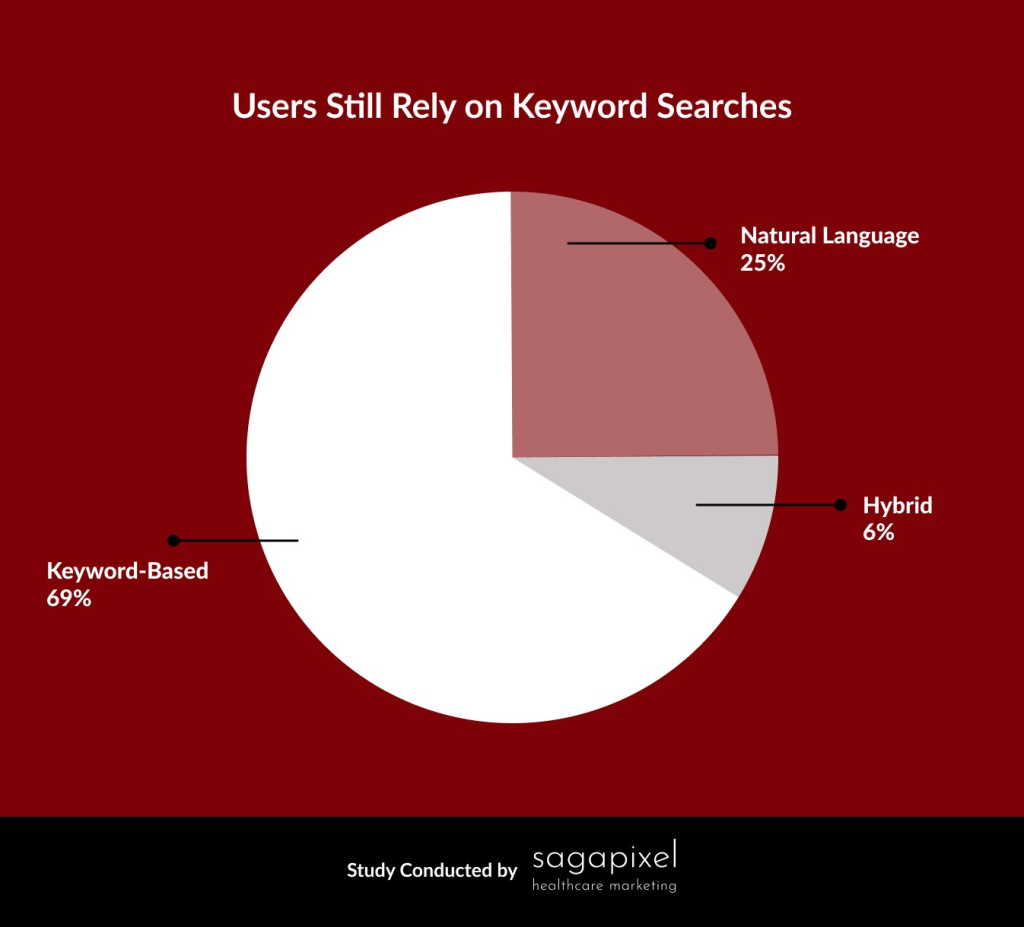
Image credit: Search Engine Land
The study analyzed thousands of prompts used for local services discovery across AI chat interfaces. The focus was on users actively evaluating vendors, tools, or providers.
Key findings
- Decision stage users want instant clarity
- They avoid storytelling prompts
- They use compressed, keyword-dense queries
Why? Because they expect structured answers, comparisons, and lists.
ChatGPT rewards clarity. Buyers know that. So they adapt.
This is magic behavior, not accidental behavior.
Keyword Style Prompts Still Dominate
Despite all the hype around natural language, keyword prompts still dominate ChatGPT local services searches.
Here is why:
- Keywords reduce ambiguity
- Keywords force ChatGPT to stay focused
- Keywords return cleaner vendor style results
Example:
- Conversational prompt
Who can handle local lead generation and SEO for a B2B software company in my city?” - Keyword prompt
“SaaS local SEO agency India pricing”
The second one produces more direct, more commercial answers.
For buyers, that speed is a ridiculous value.
Conversational vs Keyword Prompts
Let’s be clear. Conversational prompts exist. They just appear earlier in the funnel.
Conversational prompts signal
- Learning
- Curiosity
- Exploration
Keyword prompts signal
- Evaluation
- Comparison
- Purchase readiness
Example:
| Conversational | Keyword-driven |
| “How does local SEO work for service businesses?”“What should I look for in an SEO agency?” | “local SEO agency for service businesses cost”“marketing agency for plumbers near me |
If you sell local services, you want to show up for the second set.
That is where money moves.
What This Means for Local SEO
Local SEO is no longer just about Google Maps and directories. It now extends into AI-powered discovery environments like ChatGPT.
If your content, landing pages, and service descriptions are not written with keyword-first clarity, ChatGPT will skip you.
Practical implications
- Service pages must answer keyword prompts
- Content must reflect decision language
- Location signals must be explicit
Example:
Instead of “We help businesses grow with tailored solutions.” You can use
“We offer local SEO services for real estate in LA with clear pricing and quick onboarding.”
That clarity feeds online local search in AI systems.
Examples of Prompt Behavior
Real prompt behavior from users evaluating local services in ChatGPT looks like this:
- “best performance marketing agency for D2C brands”
- “local bookkeeping services for startups pricing”
- “IT support company near me for small businesses”
- “ChatGPT SEO consultant local services”
- “SaaS content marketing agency case studies”
Notice the pattern:
- Service
- Audience or niche
- Location or qualifier
- Commercial intent
This is keyword logic, not casual conversation.
Implications for Marketers
If you are a marketer or founder, this changes how you write and structure content.
1. Write for prompt matching, not storytelling
ChatGPT scans context. It prioritizes direct relevance.
Use clear service phrases.
Repeat them naturally.
Avoid inaccuracy.
2. Build service pages like answer engines
Each page should answer:
- Who is it for?
- What problem does it solve?
- Where do you operate?
- Why are you credible?
- What it costs or how to engage
This is real conversion writing, not blog filler.
3. Optimize for AI and humans together
The best part is that what works for ChatGPT also works for buyers.
Short paragraphs
Clear lists
Direct language
Specific use cases
That alignment is brutally effective.
Common Mistakes to Avoid
Many brands are already losing visibility inside ChatGPT due to simple mistakes.
- Writing vague positioning statements
- Hiding location and service details
- Avoiding pricing or engagement clarity
- Overusing conversational fluff
- Ignoring keyword behavior in AI search
These mistakes feel safe. They are not.
They reduce instant trust and discovery.
ChatGPT Prompt Depth Across Common Search Tasks
| Search Task | User Intent Level | Average No. of Prompts in ChatGPT | What the User Is Really Doing |
| Basic information lookup | Low | 1 | Wants a quick factual answer |
| Problem understanding | Low to Medium | 2 | Clarifying concepts or definitions |
| Product or service research | Medium | 3 to 4 | Exploring options and categories |
| Local services discovery | Medium to High | 3 to 5 | Shortlisting providers by fit and location |
| Vendor comparison | High | 4 to 6 | Comparing pricing, features, or credibility |
| Cost and pricing evaluation | High | 2 to 3 | Validating budget and feasibility |
| Tool or agency shortlisting | Very High | 5 to 7 | Narrowing down to the final options |
| Purchase decision support | Very High | 2 to 3 | Seeking confirmation before action |
The comparison made here is an aggregated behavioral inference, not a published study.
Strategic Framework: AI Local Visibility Checklist
Use this quick framework to align with ChatGPT local services keyword behavior.
- Identify your top 10 buyer keywords
- Add location or niche qualifiers
- Update service pages with those phrases
- Include clear outcomes and examples
- Answer one buying question per section
This is simple, repeatable, and scalable.
Conclusion
ChatGPT did not replace keywords. It relocated them.
Buyers still search like buyers. They want fast answers, clean comparisons, and real options. Keyword style prompts dominate because they deliver that value.
If you want visibility in ChatGPT-driven local services discovery, your content must reflect how users actually search, not how trends say they should search.
This insight gives you a real, unfair advantage if you act early.
The next step is simple. Audit your service pages. Rewrite them for AI clarity and human confidence. The results follow fast. Connect with us for Local SEO services.
External Reference:
ChatGPT Users Keywords for Local Services
1. Do ChatGPT users still use keywords for local search?
Yes, about 75% of users searching for local services on ChatGPT employ keyword-style prompts, challenging the idea that conversational search has fully replaced traditional search behavior.
2. Should businesses focus on long conversational prompts for SEO?
3. How does ChatGPT affect attribution tracking?